NewGen
NewGen
Innovation
Management
M
I
NewGen
NewGen
Innovation
Management
M
I
"Most would say business innovation is of paramount strategic importance. Yet very few acquire the skillset to achieve it."
"We need to work on the root-causes, not the symptoms of ineffective innovation management."
"Most would say business innovation is of paramount strategic importance. Yet very few acquire the skillset to achieve it."
"We need to work on the root-causes, not the symptoms of ineffective innovation management."
WHEN INNOVATING NEW ADDED VALUES?
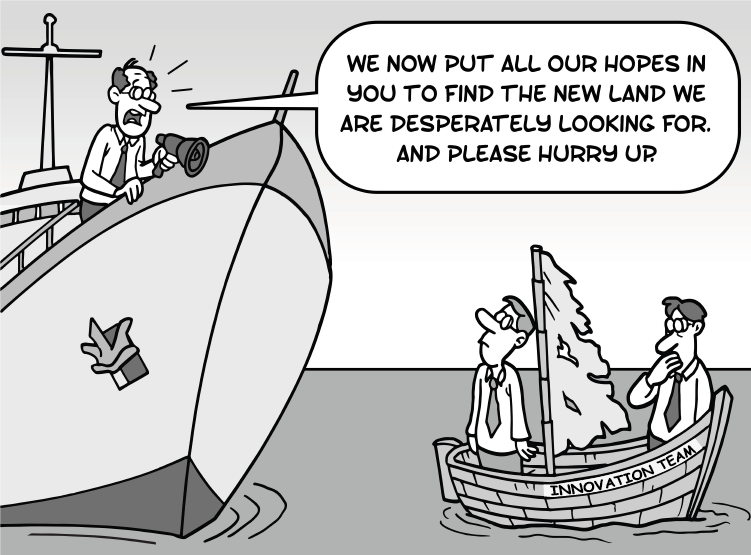

Resources for Innovation
Innovating business is often communicated as strategically important. The actual allocation of resources, however, speaks a different language.
Read more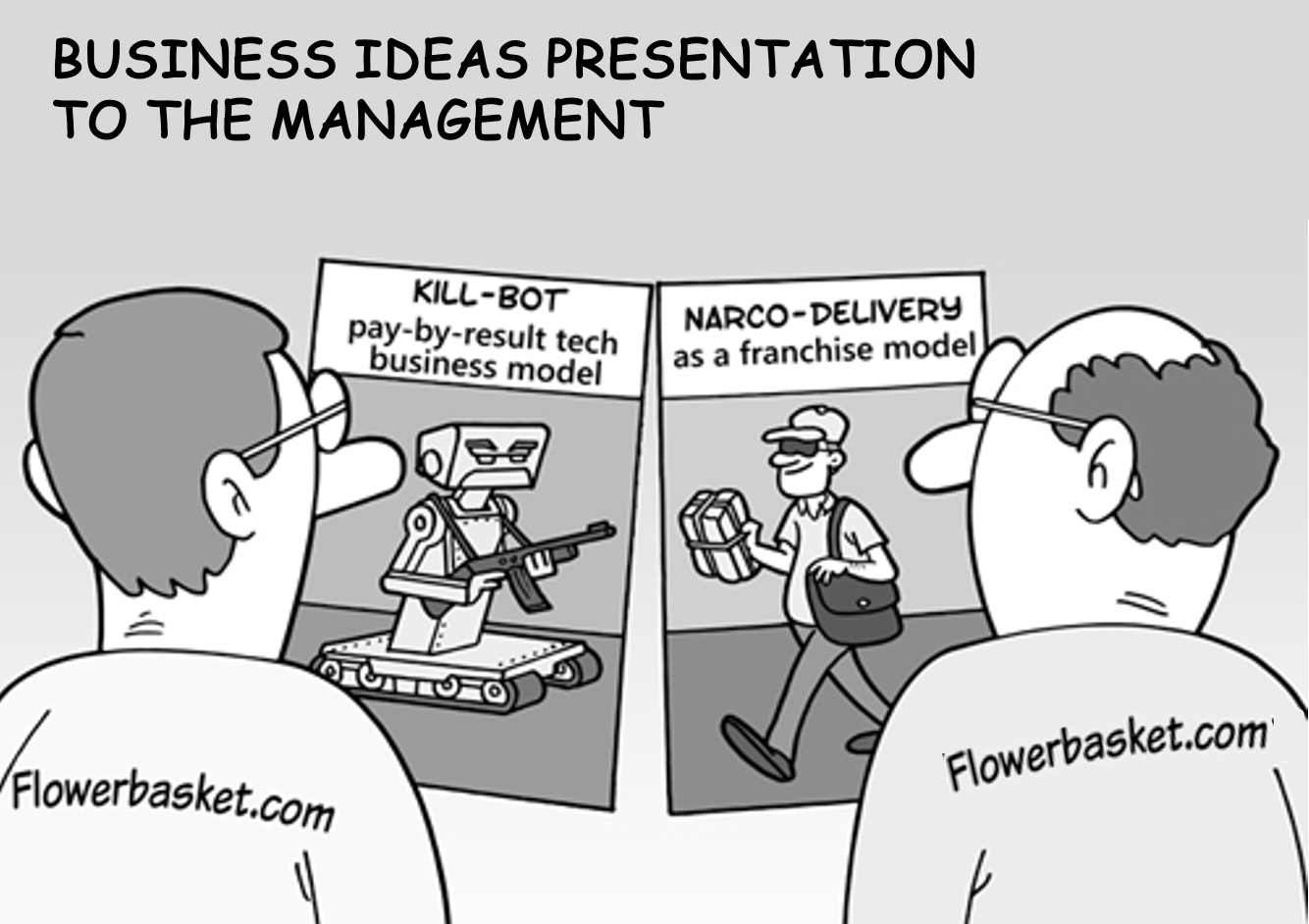
Innovate, But Not Too Seriously
Being impatient and conducting innovation projects is good. If we have the strong drive to put new solutions to the market as soon as possible.
Read more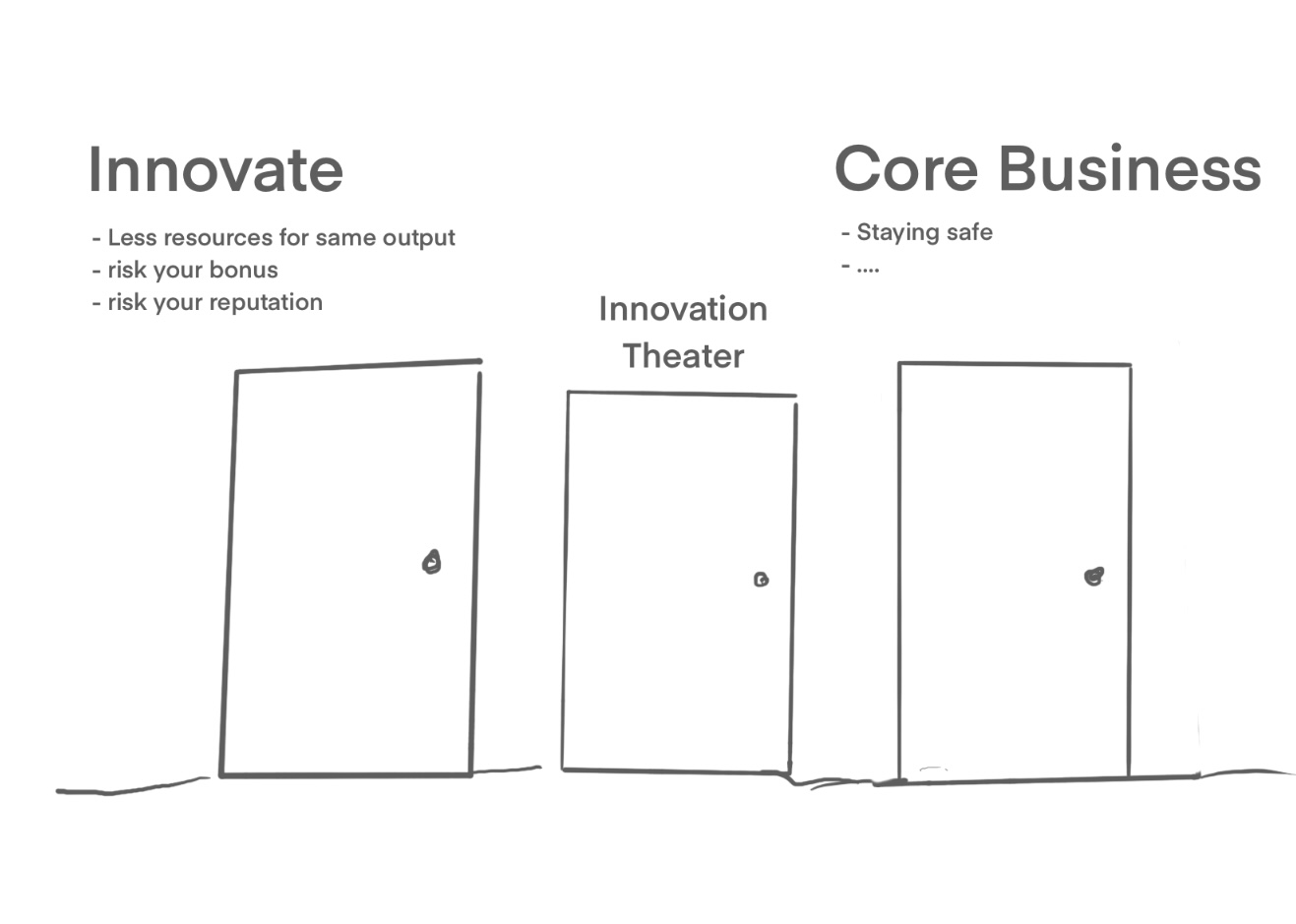
The Innovation Theater
Showing best intentions to innovate while not allocating resources adequately is a way that is seen quite often.
Read more
Consequent Behaviour
One of the hardest behavioural changes towards effective innovation work is acting consequently. We can set ambitious objectives, communicate processes, stage gates and tools, onboard and train people. But it all won`t help if we don`t consequently change certain aspects in our own behaviour.
Focusing Innovation Work
Being impatient and conducting innovation projects is good. If direction and scope are clear. If not, innovation projects may lead to exactly the opposite what we want.
Defining What Innovation Is
We all speak about innovation. But do we all mean the same?
Innovate, But Not Too Seriously
Being impatient and conducting innovation projects is good. If we have the strong drive to put new solutions to the market as soon as possible.

Why innovate? Defining a Purpose of Innovation
Astonishingly, quite often it is not so clear what exactly a company wants to achieve with innovation. But why is it so important to define the exact purpose of innovation?

Self-Conception of Innovation Managers
The term Innovation Management suggests that it is innovation that needs to be managed. In reality it is people who need to be managed in order to facilitate innovation. What exactly happens here? And what is the true role of an Innovation Management unit?
WHEN INNOVATING NEW ADDED VALUES?
Resources for Innovation
Innovating business is often communicated as strategically important. The actual allocation of resources, however, speaks a different language.
Read moreConsequent Behaviour
One of the hardest behavioural changes towards effective innovation work is acting consequently. We can set ambitious objectives, communicate processes, stage gates and tools, onboard and train people. But it all won`t help if we don`t consequently change certain aspects in our own behaviour.
Innovate, But Not Too Seriously
Being impatient and conducting innovation projects is good. If we have the strong drive to put new solutions to the market as soon as possible.
ENCE
Most companies do really well in continuously improving their existing offerings. This is what people in all organisational functions are trained for and excel in.
But what is so different when developing new kinds of added values?
UNCERTAINTY
Offering new kinds of added values ideally has high economic potential but usually bears many uncertainties. How many customers do really have the challenges we want to address with new solutions? Do they really see added value in what we offer? Are customers willing to pay for these new added values? If yes, how much? Will customers trust us to deliver these new solutions? And will they accept us in this often unfamiliar role? Do we reach our customers by the channel we choose? In the case of incremental improvements, it is usually possible to make clear assessments. When it comes to novel forms of added value, however, there is generally no past experience to draw upon.
SUCCESS METRICS
Success in the development of incremental improvements is usually measured using ‘design to cost’ (DTC) approaches. However, when developing novel solutions with new added-values, these metrics are not applicable. There are no cost targets yet. In most cases, we do not even know yet exactly what the solution needs to look like.
The focus here is instead on learning quickly and gathering evidence. Specifically regarding the hypotheses critical to success that underpin any development of novel value-added features. Success in this approach is measured entirely differently.
CUSTOMER INTERACTION
The impetus for developing incremental improvements usually comes from existing contacts at client companies. However, innovative solutions often target different groups of people, users and decision-makers. This means we have to engage with groups of people who are very different from those we usually deal with. And we have to ask questions that often feel uncomfortable at first. We even test prototypes that appear unfinished and rudimentary – ones we would normally be embarrassed to show.
INVOLVED FUNCTIONS
Incremental improvements to existing products are usually initiated and developed by the product development or engineering teams. However, when it comes to developing and testing innovative new value propositions, several departments are typically involved, such as product management, sales and IT. Furthermore, new solutions are often not, by their very nature, rooted in R&D or technical departments, meaning that their development does not take place there either.
Innovate, But Not Too Seriously
Being impatient and conducting innovation projects is good. If we have the strong drive to put new solutions to the market as soon as possible.
Why innovate? Defining a Purpose of Innovation
Astonishingly, quite often it is not so clear what exactly a company wants to achieve with innovation. But why is it so important to define the exact purpose of innovation?
Self-Conception of Innovation Managers
The term Innovation Management suggests that it is innovation that needs to be managed. In reality it is people who need to be managed in order to facilitate innovation. What exactly happens here? And what is the true role of an Innovation Management unit?
It is people, not processes that make something succeed. Clear processes are needed and can be considered a very useful tool. But processes will not help a bit if people don't know (or appreciate) their role in a bigger picture.


Description of Roles
Here you find a brief description of the distinctive roles that several functions in the company have when effectively innovating business.
The C-Level`s Roles
INITIATOR - The C-level realises that the current approach in innovation will not lead to necessary results. The root-causes are identified in close consultation with the Inno Mgmt Unit. The C-Level tasks the Inno Mgmt Unit with developing and implementing an effective innovation system that is suitable to raise the company's innovation ability.
VISIONARY - The C-level has a concrete entrepreneurial vision of where the company should be heading. With this visionary guidance, the C-level sets guard rails for alls innovation activities.
ROADBUILDER - C-level executives pave the way within the company by motivating different functional areas to contribute and take the risks associated with innovation.
RELENTLESS AMBASSADOR – C-level executives use every opportunity to motivate people to get onboard and embrace the new.
The Innovation Mgmt`s roles
MASTER MIND - The Innovation Management Unit (IM) is the entity that knows what to do in order to make the company innovative. IM builds an innovation management system consisting of an End-to-End process, roles, governance and tools.
PEOPLE ENABLER - Several actors need to know exactly what to do in order to make the innovation management system work.
ROADBUILDER - C-level executives pave the way within the company by motivating different functional areas to contribute and take the risks associated with innovation.
RELENTLESS AMBASSADOR – C-level executives use every opportunity to motivate people to get onboard and embrace the new.
Critical Skills
The Purpose of Innovation
Living roles means that certain skills are present. Here you find descriptions of some of the skills that are critical to effectively conduct innovation work, especially a bit off the core business in a company.
Investing resources shall only happen when it is very clear how the investment is supposed help the companies success. Just as with any other investment this applies to innovation initiatives too.
Shall innovative new solutions enable the entry into a new market? Or stabilise current market shares? Or generate additional revenues with new offerings?
If yes, in what scale shall new solutions contribute?
Providing Guard Rails
Any innovation activity should be very focused and reasoned to improve efficiency and to avoid frustration of colleagues. How do you focus innovaton activities? First of all, by aligning them to a desirable future state of you customers as well as your company. We call this a Picture of the Future. A vision of what be believe a desirable future for customers could look like in 5 yrs from now amid anticipated developments and trends in our customers business world. And a vision of which role our compnay should play in facilitating this desirable future of our customers. Important: We don`t rely on what our customers tell us what they want. This could be way too short-sighted. Actually we must take in our customers`perspective make up our own mind how the future could be bright being confronted with often drastic anticipated developments in market structures, perceived added values, competition, technologies, regulations.
MENT
Not every idea will lead to business success. Usually several ideas need to be explored to get evidence for a business opportunity.
Selfspeaking we should be as quick as possible exploring one idea after another to eventually hit bull`s eye. Time from idea to business evidence is therefore crucial to have an advantage over competitors.
What time range are we talking about here? From a prioritized idea in an idea portfolio, over setting up and innovation sprint team with appx. 2 days per week of time, over running a business model sprint with lean experiments = 3-4 months. A methodologically experienced sprint team will generate strong evidence for or against the idea based on customer investment.
Innovation work needs an idea what a desirable future for a certain customer group could look like and what role we want to take in to facilitate this desirable future for our customers (it does not matter internal or external customers). How could we decide what's in scope or out of scope for us if we don`t have any idea who we as company want to be?
Are you expecting 5 million of new revenues in 2 yrs from now, starting from scratch a new business model? And you appoint 2 working students to facilitate this every Friday afternoon? Hopefully not.
MENT